
 login
 who are we?
 contact us
 qosheapp




How Mobile Apps Are Transforming the Accessibility and Convenience of Online Entertainment


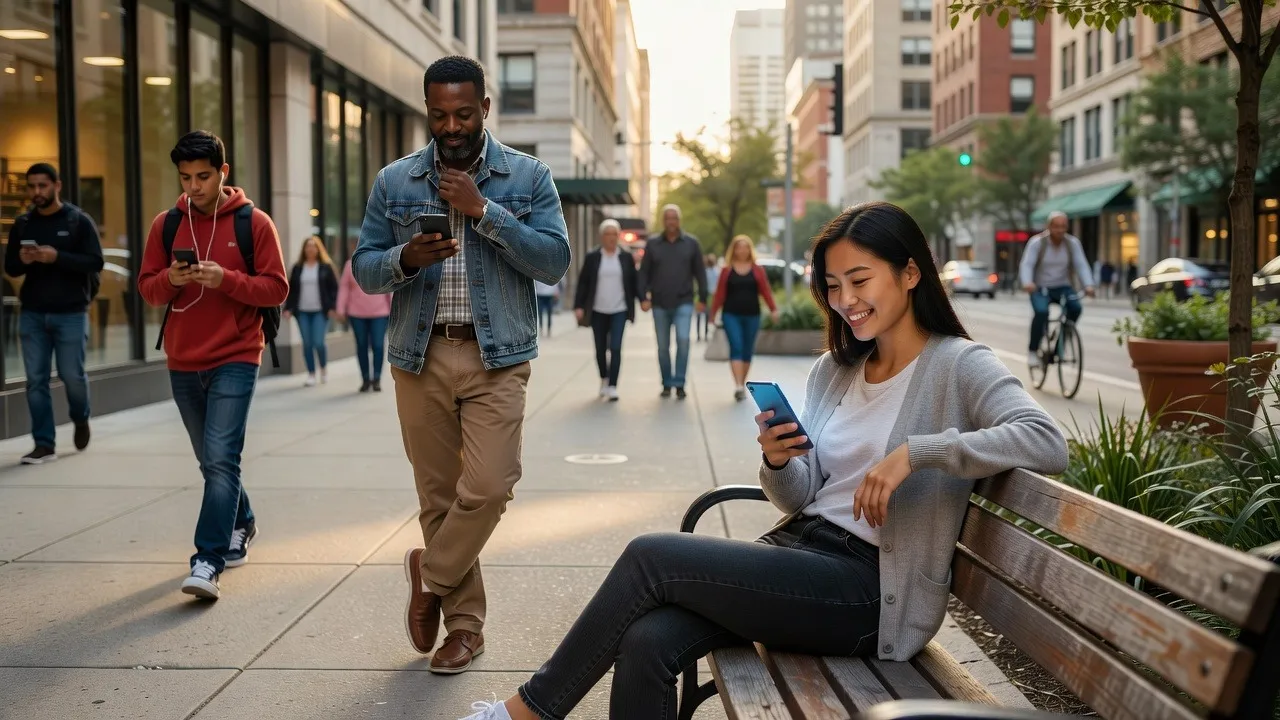
How Mobile Apps Cater to Diverse Entertainment Needs
Online entertainment today covers an enormous range: video streaming, music, e-books, news, fitness, social networking, gaming, and more. Apps like Netflix, Spotify, and TikTok have become household names, each specializing in a segment but often expanding to include mixed-media experiences.
Gaming stands out as one of the fastest-growing sectors. Users can play everything from simple puzzles to real-time multiplayer games and skill-based challenges, often in one unified app. Online gaming portals, such as Misty Casino, exemplify how mobile apps bring engaging casino experiences directly to users’ smartphones, making entertainment not only accessible, but also more immersive and convenient. The integration of features like live dealers, tournaments, and social chat functions shows how far mobile apps have come in replicating—and surpassing—the atmosphere of traditional gaming venues.
This diversity means mobile apps adapt to a wide variety of tastes and needs. By combining video, music, games, and social interaction in a single ecosystem, they break down the walls between different forms of entertainment. Such versatility appeals to all age groups and interests, continually broadening the digital audience.
The Evolution of Online Entertainment: From Desktop to Mobile
The early days of online entertainment revolved around desktop computers. Streaming a movie or joining an online game required users to stay anchored to their PCs. As high-speed mobile internet became widely available, and smartphones grew more powerful, a shift began. By 2026, smartphone penetration exceeds 85% globally. Today, over two-thirds of digital content consumption occurs on mobile, according to Statista. This transition isn't limited to younger generations—adults of all ages increasingly prefer mobile apps for entertainment, thanks to enhanced interfaces and seamless app ecosystems. The ability to engage with content while commuting, waiting in line, or traveling, has made digital entertainment more deeply embedded in daily life than ever before.
The surge in mobile app usage has also increased audience engagement. Push notifications, app-driven loyalty programs, and real-time interaction tools—all native to mobile environments—encourage users to spend more time exploring and interacting with content. The variety of app-based entertainment options has helped transform digital leisure from a scheduled activity into a continuous, on-demand experience.
Key Advantages of Mobile Apps for Online Entertainment
Mobile apps stand out for accessibility and simplicity. Intuitive interfaces streamline navigating vast content libraries, making it easier for new users to find preferred music, films, or games in seconds. Touchscreen controls and customizable settings let users tailor their experience to individual preferences.
Personalization is another significant strength. Recommendation algorithms powered by machine learning analyze consumption habits, ensuring each user’s feed feels unique. Push notifications keep audiences updated about new releases, live events, or time-limited deals—without overwhelming them.
One of the defining benefits is the flexibility to access entertainment on the go. Whether on a train or a lunch break, users can pause and resume content seamlessly across devices. Unlike desktop-based platforms, mobile apps make digital fun a seamless part of every moment, rather than a special event to schedule.
Enhanced Accessibility: Removing Barriers to Participation
Mobile apps have played a pivotal role in eliminating many of the obstacles that once restricted access to digital entertainment. Geographical barriers are now largely irrelevant—users in remote areas can watch premieres, participate in live events, or stream high-quality music with a few taps, assuming a basic internet connection.
Many leading apps offer offline modes. Downloadable content lets travelers or those with irregular connectivity enjoy uninterrupted access, a crucial option for millions worldwide.
Physical accessibility has improved too. Voice control, screen readers, adjustable font sizes, and haptic feedback make apps usable for people with limited mobility or visual impairments. In 2026, major entertainment apps routinely support more than 50 languages, ensuring global inclusivity for diverse audiences.
Security and Responsible Entertainment in the Mobile Era
Security is paramount for users accessing entertainment through their smartphones. Contemporary apps deploy advanced data encryption protocols, including end-to-end encryption, to protect personal information and payment details. Payment gateways now support two-factor authentication and biometric verification, which significantly reduces risks of unauthorized access or fraud.
For families, robust parental control settings empower guardians to restrict access to age-inappropriate content or limit time spent within certain apps. Leading developers also integrate real-time account monitoring and customizable privacy dashboards.
Responsible entertainment has become a guiding principle. Many mobile apps implement tools that help users maintain healthy usage habits, such as screen time reminders, budgeting features within gaming and casino apps, and easy-to-access support channels. These steps encourage engagement without excess, aligning digital fun with well-being and peace of mind.
The Future of Mobile Apps in Online Entertainment: Trends and Innovations
Emerging technologies continue to redefine what’s possible in the mobile entertainment landscape. Artificial intelligence powers more precise content recommendations and smarter user interfaces, learning from user feedback in real time. Augmented and virtual reality apps, once viewed as niche, are now breaking into mainstream adoption, with AR filters, immersive 3D games, and live concerts that feel surprisingly real—right through a phone.
App functionality expands as devices become more powerful. Multi-format streaming, instant translation, and integrated payment services let users do more within a single app. Developers also experiment with social watch parties, interactive quizzes, and even adaptive soundscapes to heighten engagement.
Looking ahead, the boundaries between entertainment, social interaction, and real-world activity will continue to blur. The next generation of mobile apps aims to make entertainment available everywhere, reduce digital divides, and empower users to shape their own experiences—securely and intuitively. As mobile devices become even more entwined with daily life, the future of online entertainment is set to become only more personalized, accessible, and dynamic.
© qolumnist
 visit website