
 login
 who are we?
 contact us
 qosheapp




Buying a Used Nissan Note in Kenya: What to Know Before You Pay


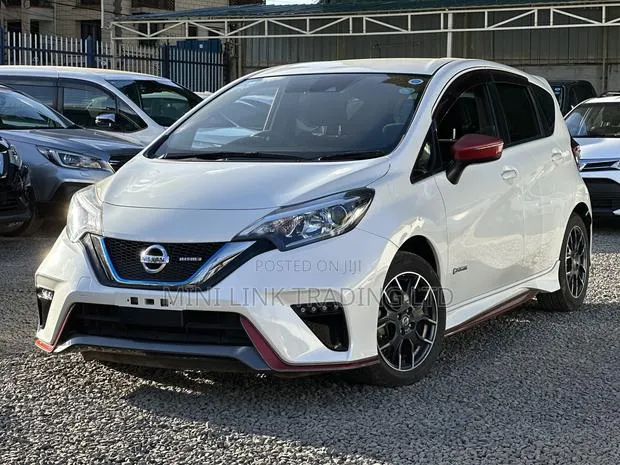
Walk through any busy Kenyan town and you will spot a Nissan Note within minutes: dropping children at school, waiting outside a supermarket or carrying ride-hailing passengers across the city. It has become one of those cars that people recommend to friends almost by default. That popularity is useful, because parts and mechanics are easy to find, but it also means the used market is full of cars in very different condition. This guide explains why the Note is so common, how the main versions differ, where its weak points are, and what to check on a used example before any money changes hands.
Why the Nissan Note is so popular
The Note is a compact hatchback, but it feels bigger inside than its size suggests. The tall roofline gives generous headroom, the rear seat is comfortable for adults on short and medium trips, and the boot is practical for shopping or luggage, and the rear seats fold down when you need to carry something bulkier. For many families it hits a sweet spot between a small city car and a larger saloon.
It is also economical to run, easy to park and simple to drive in traffic, which explains its appeal for city commuting and ride-hailing work. Most examples in Kenya arrive as used imports from Japan, so supply is steady and the model is familiar to garages and spare-parts shops across the country. That familiarity also helps resale, since a well-kept Note rarely struggles to find its next owner.
Because so many are on sale, it pays to understand the spread before you shortlist anything. Comparing current Note listings, for example at https://www.cars45.co.ke/listing/nissan/note, by year, engine type and mileage gives you a realistic picture of which versions are common and how condition affects asking prices.
The main versions explained
You do not need to memorise generation codes, but it helps to know the broad groups you will meet when searching.
-
Petrol with CVT automatic: the most common type on Kenyan roads. These use a small petrol engine paired with a continuously variable transmission (CVT), which has no fixed gears and keeps the engine in an efficient range. They are simple, light and familiar to most mechanics.
-
e-Power (introduced in Japan around 2016): a series hybrid. The petrol engine does not drive the wheels directly; instead it acts mainly as a generator that charges a battery and powers an electric motor, which moves the car. You never plug it in. It drives smoothly and quietly, like an electric car, and can be very economical in stop-start traffic.
-
Newer generation (from around 2020): the latest Note is also built around e-Power. It is more modern inside and out, but it is less common in Kenya and usually sits at the upper end of the price range for the model.
Trim levels, equipment and engine details vary by year and grade, so confirm the exact specification of any car you are considering rather than relying on the seller's description alone.
Strengths worth knowing
-
Space for its size: rear legroom and headroom are good for a compact car, which matters for families and ride-hailing passengers.
-
Running costs: fuel use is modest, and the e-Power version is particularly frugal in slow city driving.
-
Parts availability: common service parts such as filters, brake pads and suspension components are widely stocked.
-
Easy to drive: light steering, good visibility and a compact footprint make it relaxed in congested streets.
Weaknesses and trade-offs
No car is perfect, and the Note has a few points buyers should weigh honestly.
-
CVT care: the transmission is sensitive to neglect. It needs the correct fluid, changed at sensible intervals, and it does not like hard driving with heavy loads. A CVT that has been ignored can become expensive to repair.
-
Ground clearance: the Note sits fairly low. On rough rural roads, deep potholes or steep speed bumps, you need to drive carefully to avoid scraping the underside.
-
e-Power complexity: the hybrid battery, inverter and motor are more complicated than a conventional engine. Not every mechanic has the diagnostic tools or experience to work on them, so find a garage that knows the system before you buy.
-
Japanese-language menus: many imports still have the radio, navigation screen and some settings in Japanese. This is usually fixable with a replacement head unit or a language change, but it is worth budgeting for.
Checklist for inspecting a used Note
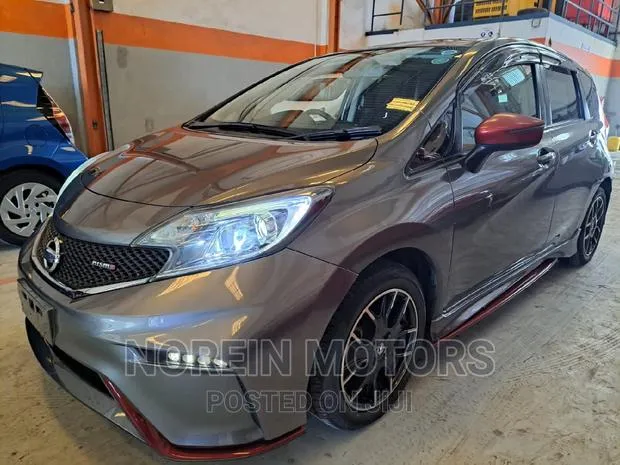
Take your time with the inspection, ideally in daylight and on a dry day so you can see paint and leaks clearly.
Service history: ask for receipts or a service book, especially for CVT fluid changes. A car with no records is not automatically bad, but it carries more risk.
CVT behaviour: on a test drive, accelerate gently and then more firmly. Watch for slipping (engine revs rise without matching speed), whining or droning noises, and jerks or shudders when pulling away or slowing down.
Suspension and CV joints: listen for knocks over bumps and clicking noises when turning at full lock in a car park. Both are common on cars that have done many rough-road kilometres.
e-Power warning lights: make sure no warning lights stay on after start-up. Ask a mechanic to scan the car with suitable diagnostic equipment, which can reveal stored faults in the hybrid system that the dashboard does not show.
Rust and underbody: check the sills, wheel arches, boot floor and underside, especially if the car has been near the coast or on salted roads before import.
Mileage consistency: compare the odometer reading with wear on the steering wheel, pedals and seats, and with any service or import records. Unusually low mileage on a heavily worn interior is a warning sign.
Electrics and air conditioning: test windows, locks, lights, the air conditioning and the infotainment screen. A weak air conditioner is uncomfortable in hot weather and can be costly to fix.
How the Note compares with its rivals
The Note competes with several other compact Japanese hatchbacks that are equally common in Kenya. None is clearly better in every respect; the right choice depends on your priorities.
-
Toyota Vitz / Yaris: smaller inside but known for simple mechanicals and very wide parts support.
-
Honda Fit: clever rear seats and a flexible cabin, with hybrid versions available as well as petrol.
-
Mazda Demio: often praised for its driving feel and styling, though some versions have a less roomy rear seat.
-
Toyota Aqua: a popular hybrid with a strong reputation for economy, but with less rear headroom than the Note.
If interior space is your main concern, the Note is a strong contender. If you value the simplest possible mechanicals, a conventional petrol hatchback from any of these brands may suit you better than a hybrid.
Running costs to plan for
Beyond the purchase price, think about the ongoing costs. Fuel is the obvious one, and both petrol and e-Power versions are economical by the standards of the class. Routine servicing is generally affordable, but budget for CVT fluid changes on the schedule your mechanic recommends rather than skipping them.
Insurance cost depends on the car's value, your driving history and whether you use it for ride-hailing, which usually needs suitable commercial cover. Tyres, brake pads and suspension parts wear faster on rough roads. On an older e-Power car, keep some money aside in case the hybrid battery or related components eventually need attention.
Import and registration points
If you are buying a car that has just arrived from Japan, remember that imported vehicles in Kenya must meet age and inspection rules set by the authorities. These rules can change, so confirm the current requirements with the relevant government bodies or a licensed clearing agent before committing to a specific car. This is general information only, not legal advice.
Before you hand over any money
Two steps protect you more than anything else. First, pay an independent mechanic you trust to inspect the car, ideally one with experience of CVT gearboxes and, for e-Power models, hybrid diagnostics. Second, verify ownership through an official NTSA search so you know the seller's name matches the logbook and the car has no hidden issues with its registration. Only pay once both checks are complete, and use a traceable payment method.
Common mistakes to avoid
-
Buying on looks alone: fresh paint and a clean interior can hide a tired gearbox.
-
Skipping the test drive: CVT problems often show only when the car is warm and driven for a while.
-
Ignoring the hybrid system: treating an e-Power car like a simple petrol model can lead to costly surprises.
-
Rushing the deal: a seller who pressures you to pay quickly is a reason to slow down.
The bottom line
A used Nissan Note can be an excellent choice for Kenyan drivers who want a roomy, economical and easy-to-drive hatchback. Decide whether a conventional petrol CVT or an e-Power hybrid suits your driving, then focus on condition rather than year alone. Check the service history, test the CVT carefully, scan e-Power models for faults, look for rust and mismatched mileage, and always combine a mechanic's inspection with an NTSA ownership search before you pay.
© qolumnist
 visit website