
 login
login who are we?
 contact us
 qosheapp



A Beginner’s Guide to Understanding Boat Navigation


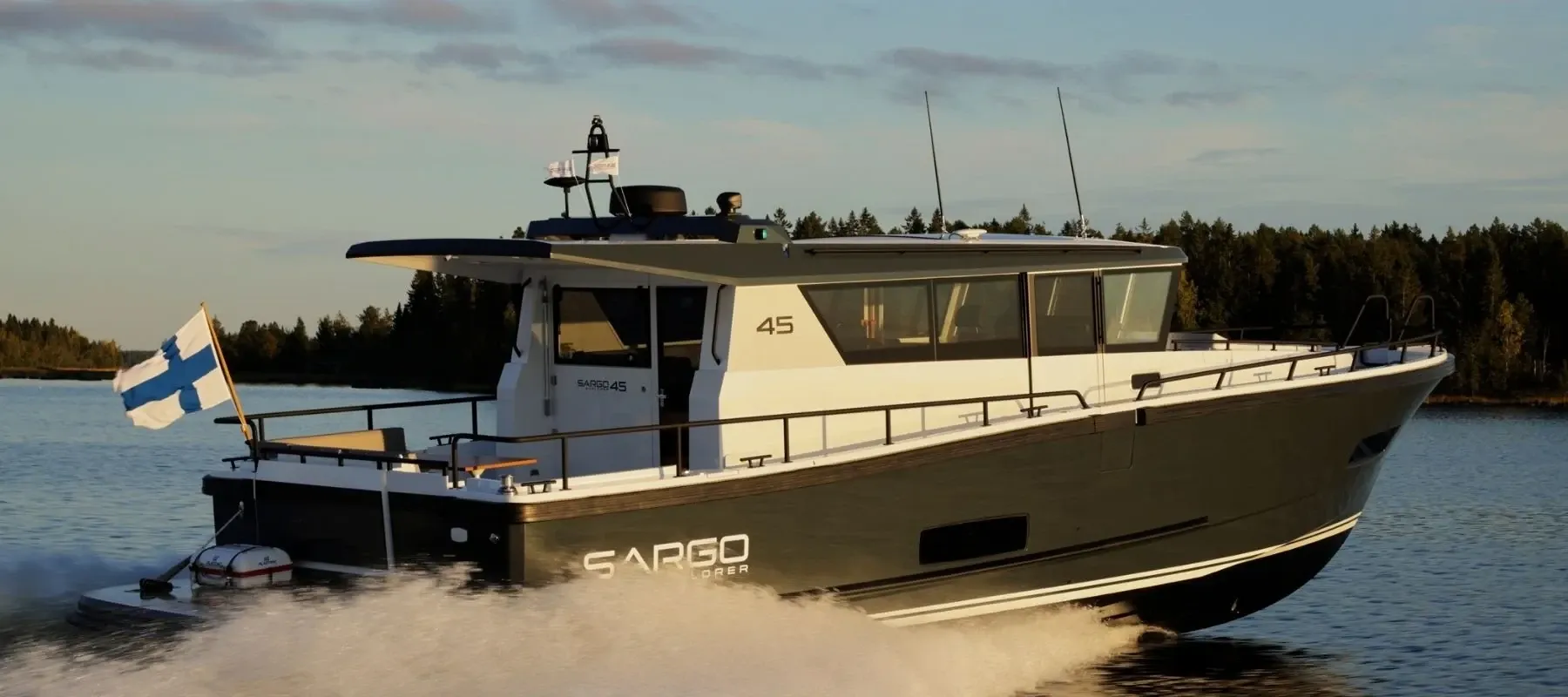
Navigation is the skill of knowing where your boat is, where it needs to go, and how to travel there safely. Modern electronics have made this easier, but good navigation still depends on understanding the water around you. A screen can show a position, yet the person at the helm must interpret depths, markers, weather, traffic, and the boat’s movement. Beginners who learn these basics early become more confident and make better decisions on every trip.
Start With Position and Direction
Every journey begins with knowing your current position. Electronic navigation systems normally display it using satellite positioning, while traditional charts use latitude and longitude. You do not need to memorize complicated calculations to begin, but you should understand how your position relates to nearby land, hazards, channels, and your intended destination.
Direction is usually expressed in degrees. North is 000 degrees, east is 090, south is 180, and west is 270. A heading describes where the bow is pointing, while your actual path over the ground may differ because wind and current can push the boat sideways.
Learn to Read a Nautical Chart
A nautical chart is much more than a map. It contains information about water depths, hazards, navigation aids, shoreline features, restricted areas, and other details useful to boaters. Whether you use a paper chart or an electronic version, spend time learning the symbols relevant to your cruising area.
Depth deserves special attention. Know your boat’s draft and leave a sensible margin beneath it. A depth printed on a chart is not automatically the exact depth beneath your hull at every moment because tides and water levels can change.
Reliable marine equipment helps you compare chart information with what is happening around the boat. A depth sounder, compass, chartplotter, and suitable communication device can all contribute to safer navigation when the operator understands how to use them rather than relying on them blindly.
Understand Buoys and Markers
Navigation aids help guide vessels through channels and around hazards. Their colors, shapes, numbers, and lights have specific meanings that vary according to the buoyage system used in the region. Learn the system for the waters where you operate before leaving the marina.
Do not treat a buoy as something to pass on a particular side based on memory from another country. Confirm the local rules. Also remember that floating aids can move from their charted positions, so use them together with charts, depth information, and visual observation.
Lights Matter After Sunset
Many markers use characteristic lights at night. The color and flashing pattern can help identify them. If you plan to navigate after dark, study the route in daylight or before departure and understand which lights you expect to see.
Know the Difference Between Heading and Course
Your heading is where the boat points. Your course is the intended direction of travel. Your track is the path the boat actually follows. In calm conditions these may appear almost identical, but current and wind can create a noticeable difference.
Imagine steering directly toward a harbor while a strong current pushes the boat sideways. If you simply keep the bow aimed at the harbor, your track may curve. A navigator compensates for the current by adjusting the heading so the vessel follows the desired path.
Use Electronics as Tools, Not Autopilots for Judgment
Chartplotters and navigation applications are extremely useful. They can display position, speed, routes, depth information, and estimated arrival times. Some systems can also integrate radar, sonar, or automatic identification information.
Before a longer trip, make sure your boat equipment is powered correctly and that important navigation devices are functioning. Learn the menus while tied to the dock rather than trying to discover essential controls when visibility is poor or traffic becomes busy.
Electronics can fail. Batteries run flat, screens break, connections corrode, and software can freeze. Carry an appropriate backup and maintain enough situational awareness that a blank screen does not leave you completely lost.
Plan the Route Before Leaving
Good navigation begins before the engine starts. Review the route from departure to destination and identify shallow areas, narrow channels, traffic zones, exposed stretches, and safe places to stop if conditions change.
Estimate how long each section may take, but do not turn the estimate into a deadline that encourages risky decisions. Weather, waves, current, traffic, and reduced visibility can all slow a boat. Build flexibility into the plan.
If preparing for cruising in Spain, a boater may search for productos nauticos when replacing navigation or safety items. Equipment should be chosen for its suitability and reliability, while the operator should still understand the basic navigation principles needed if a device becomes unavailable.
Keep Looking Outside
One of the easiest beginner mistakes is staring at the chartplotter. Navigation requires regular visual scanning. Look ahead, behind, and to both sides. Watch for other vessels, swimmers, fishing gear, floating debris, changing weather, and navigation markers.
Compare what you see with what the instruments show. If the chart says a marker should be ahead but you cannot identify it, slow down and investigate rather than continuing at speed.
Learn Basic Collision Avoidance
Navigation also means sharing the water safely. Boaters should understand the basic rules that govern interactions between vessels. These rules cover responsibilities in crossing, overtaking, and head on situations as well as the meaning of navigation lights.
Do not assume another operator has seen you or will make the expected maneuver. Maintain a proper lookout, use safe speed, and act early enough that your intentions are clear.
Practice on Familiar Water
The best way to learn is to combine study with practice. Choose a familiar route and actively navigate it. Identify buoys, compare charted depths with the depth sounder, note your heading, and observe how wind or current changes the track.
Try planning a short route before departure and then compare your expectations with what actually happens. This builds the mental connection between the chart, the instruments, and the real world outside the boat.
Confidence Comes From Understanding
Navigation does not need to feel intimidating. Start with position, direction, charts, markers, depth, and route planning. Add more advanced skills as your experience grows.
Technology can make navigation remarkably convenient, but understanding the fundamentals is what gives a boater confidence when conditions change. Know where you are, know what lies ahead, keep looking outside, and always leave enough time and space to change your plan safely.
Technology can make navigation remarkably convenient, but understanding the fundamentals is what gives a boater confidence when conditions change. Know where you are, know what lies ahead, keep looking outside, and always leave enough time and space to change your plan safely. Reliable boat parts help keep your navigation gear working when conditions get tough.
© qolumnist
 visit website