
 login
 who are we?
 contact us
 qosheapp




Olive Oil Guide: Types, Uses and How to Choose a Good Bottle


Olive oil has been treasured for thousands of years. Ancient Mediterranean civilisations used it for cooking, lighting lamps, skin care and religious ceremonies, and today it remains one of the most popular cooking oils in the world. More and more households are adding it to their kitchens, attracted by its flavour, versatility and reputation as part of a healthy diet. But walk down the cooking oil aisle and you will find a confusing range of labels: extra virgin, virgin, pure, light, pomace. Prices vary widely, and not every bottle is what it claims to be. This guide explains the different types of olive oil, how to use each one, what to look for on the label and how to store it properly.
How olive oil is made
Olive oil is produced by crushing olives into a paste and then separating the oil from the water and solids. The best oils are extracted mechanically, without heat or chemicals, soon after the olives are harvested. The quality of the olives, the time between harvest and pressing, and the extraction method all affect the oil's flavour, aroma and nutritional value.
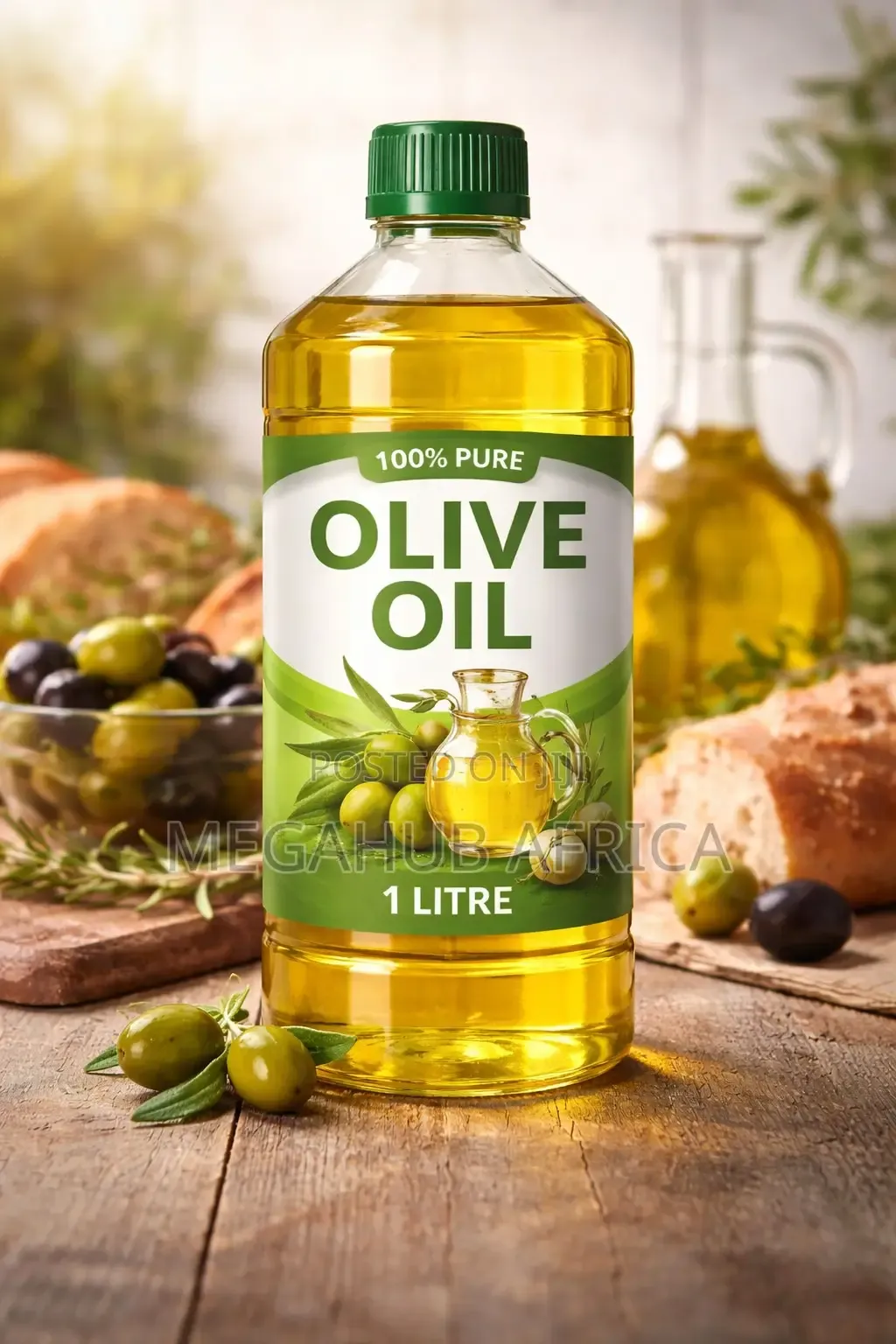
Why olive oil is so popular
Flavour: good olive oil adds fruity, peppery or grassy notes that enhance food.
Versatility: it can be used for salads, cooking, roasting, baking and dipping bread.
Healthy fats: olive oil is rich in monounsaturated fats, and extra virgin olive oil contains natural antioxidants called polyphenols.
Mediterranean diet: it is a key part of eating patterns widely associated with good health.
Beauty uses: many people use it as a natural moisturiser for skin and hair.
Because olive oil comes in so many grades, sizes and brands, comparing options helps you choose wisely. If you are shopping in Kenya, browsing current offers for olive oil lets you compare extra virgin, pure and pomace oils in different bottle and tin sizes, along with prices from various sellers. Knowing the typical price for each grade also makes it easier to spot suspiciously cheap products.
Understanding the different types of olive oil
Extra virgin olive oil
Extra virgin olive oil is the highest grade. It is made from fresh olives using only mechanical methods, without chemical treatment, and must meet strict standards for taste and quality, including very low acidity. It has the richest flavour, the most natural antioxidants and a fresh, sometimes peppery taste.
Best for: salads, dressings, dips, drizzling over cooked dishes, sautéing and everyday cooking at moderate temperatures.
Virgin olive oil
Virgin olive oil is also produced mechanically but has slightly higher acidity and a less refined flavour than extra virgin. It is less common in shops but still a good-quality natural oil.
Best for: general cooking.
Pure or classic olive oil
Often labelled simply as "olive oil," "pure" or "classic," this is usually a blend of refined olive oil and a smaller amount of virgin or extra virgin olive oil. It has a milder taste, lighter colour and is typically cheaper.
Best for: everyday frying, roasting and baking where a strong olive flavour is not needed.
Light olive oil
"Light" refers to the flavour and colour, not the calories. Light olive oil is highly refined with a very mild taste. It contains the same amount of fat and calories as other olive oils.
Best for: baking and cooking where you want a neutral taste.
Olive pomace oil
Pomace oil is extracted from the olive paste left over after the first pressing, usually using solvents, and then refined. It is the most affordable grade, with a neutral flavour, but it has fewer of the natural compounds found in extra virgin oil.
Best for: high-volume frying and some cosmetic uses.
Can you cook with olive oil?
Yes. A common myth is that olive oil should never be heated. In reality, olive oil, including extra virgin, is suitable for most home cooking methods such as sautéing, roasting and shallow frying. Refined olive oils have a higher smoke point, making them a good option for high-heat frying. Whatever oil you use, avoid heating it until it smokes, as this breaks down the oil and creates unpleasant flavours.
Olive oil and health
Olive oil is widely regarded as one of the healthier cooking fats when used as part of a balanced diet. Its monounsaturated fats and natural antioxidants are associated with heart-healthy eating patterns such as the Mediterranean diet. However, olive oil is still high in calories, with roughly 120 calories per tablespoon, so portion control matters. If you have specific health conditions or dietary needs, speak to a doctor or registered nutritionist for personalised advice.
Olive oil vs other cooking oils
Many kitchens use vegetable oils such as sunflower, soybean, canola or palm-based cooking oils for everyday frying because they are affordable and neutral in taste. Olive oil usually costs more, but it offers a distinctive flavour and, in the case of extra virgin olive oil, natural antioxidants that are largely removed from highly refined oils. Coconut oil is another popular option, with a unique taste but a high level of saturated fat. A practical approach many households use is to keep an affordable oil for deep frying and extra virgin olive oil for dressings, sautéing and finishing dishes. That way you enjoy the benefits and flavour of olive oil without using it for every single task.
How to read an olive oil label
Grade: look for "extra virgin" if you want the highest quality and flavour.
Harvest or best-before date: fresher oil tastes better. A harvest date is a good sign of transparency.
Origin: labels often show where the olives were grown and where the oil was bottled. Oils from a single country or region are often more traceable than blends from many sources.
Quality seals: protected designation of origin or quality certification marks indicate products that meet specific standards.
Packaging: dark glass bottles or tins protect the oil from light, which can degrade quality.
"Cold pressed" or "cold extracted": indicates the oil was extracted without high heat, which helps preserve flavour.
How to avoid fake or low-quality olive oil
Olive oil fraud is a known problem worldwide, with some products diluted with cheaper oils or mislabelled as a higher grade. Protect yourself by:
Buying from reputable shops, supermarkets and trusted sellers.
Choosing well-known brands or producers with clear labelling.
Being wary of extra virgin olive oil sold at unusually low prices.
Checking that bottles are properly sealed and labels are clear and complete.
Tasting the oil: good extra virgin olive oil usually smells fresh and fruity and may have a slightly bitter or peppery finish. Oil that smells musty, greasy or like crayons may be old or of poor quality.
Note that popular home tests, such as putting oil in the fridge to see if it solidifies, are not reliable ways to confirm quality.
How to store olive oil
Keep it in a cool, dark place away from the stove, windows and direct sunlight.
Close the cap tightly after each use to limit exposure to air.
Use it within a few months of opening for the best flavour.
Buy sizes that match how quickly you use oil. Large tins are economical for heavy users, while smaller bottles stay fresher for occasional use.
Avoid storing it in clear plastic containers for long periods.
Everyday ways to use olive oil
Make a simple salad dressing with olive oil, lemon juice, salt and pepper.
Drizzle over kachumbari, grilled vegetables, rice or soups for extra flavour.
Roast potatoes, vegetables or chicken with olive oil and herbs.
Use it for sautéing onions, garlic and tomatoes as the base for stews.
Dip fresh bread in olive oil with a pinch of salt and herbs.
Marinate meat, fish or chicken with olive oil, garlic and spices.
Olive oil for skin and hair
Many people use olive oil as a natural moisturiser for dry skin, cuticles and hair ends, or as a base oil for massage. Use a small amount, as it can feel heavy. If you have sensitive or acne-prone skin, do a patch test first. For babies and people with skin conditions, ask a health professional before using olive oil on the skin.
The bottom line
Olive oil is a flavourful, versatile addition to any kitchen. Choose extra virgin olive oil for dressings, dips and everyday cooking, and refined or pure olive oil for high-heat frying and neutral-tasting dishes. Read labels carefully, buy from trusted sources, store the oil away from heat and light and use it within a reasonable time. With the right bottle, you can enjoy better-tasting meals and one of the world's most celebrated ingredients every day.
© qolumnist
 visit website