
 login
 who are we?
 contact us
 qosheapp




How to Plan Wedding Lighting from Speeches to the Dance Floor


How to Plan Wedding Lighting from Speeches to the Dance Floor
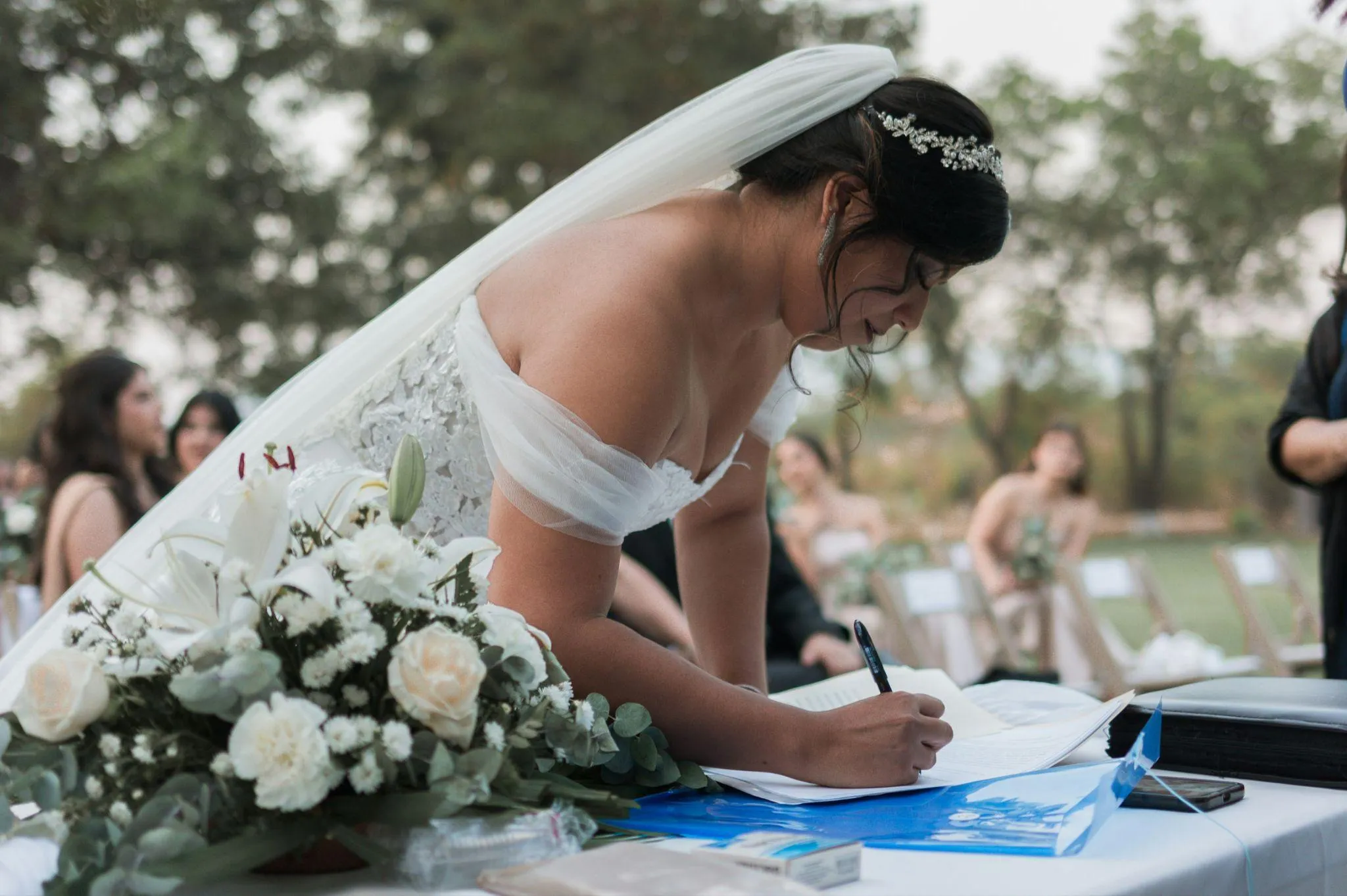
Photo by Manuel Figueroa on Unsplash
Wedding lighting has to do more than make a room look attractive. It also needs to help guests see clearly, support photography, and adapt as the event moves from formal moments into the party. A setup that works perfectly during dinner may feel flat during the first dance, while lighting designed for the dance floor may be too strong for speeches.
The easiest way to plan effectively is to think about the evening in stages. Speeches, dinner, the first dance, and the later party all have different visual needs, but they should still feel connected. Smooth transitions are more important than dramatic changes for their own sake. The goal is to keep people comfortable, make key moments easy to see, and let the atmosphere evolve naturally as the celebration becomes more energetic.
Start With Clear, Flattering Light for Speeches
Speeches need practical lighting first. Guests should be able to see the speaker clearly without the room suddenly feeling like a conference hall. Soft illumination from the front or slightly to the side is usually more flattering than harsh overhead light because it reduces deep shadows on the face.
Photography matters here as well. A speaker standing in a dark corner may look atmospheric to the eye but can be difficult to capture cleanly on camera. The same applies if the brightest lights are positioned behind the person rather than toward them.
A well-placed stage light can help define the speaking area without flooding the whole room. The useful approach is to light the person clearly while allowing the surrounding space to remain warm and comfortable.
Decorative uplighting should be treated separately. It can add color to walls and architectural features, but it should not be relied on as the main source of light for someone giving a speech.
Keep Dinner Lighting Warm and Comfortable
Dinner usually benefits from softer, more even illumination. Guests need enough light to see their food, read menus, and talk comfortably, but the room should still feel relaxed.
Warm tones often work well because they complement candles, table settings, and decorative elements without making the space feel overly bright. If the venue already has chandeliers or pendant lighting, additional fixtures can be used to support those sources rather than compete with them.
This is also where decorative uplighting can make a noticeable difference. It can add depth to plain walls, highlight columns, or introduce the wedding color palette without drawing attention away from the tables.
The important distinction is that uplighting shapes the room, while functional lighting helps people see. A good dinner setup usually needs both.
Plan for Photography From More Than One Angle
Wedding photographers rarely stay in one place. They move around the room, shoot toward the stage, capture reactions at tables, and photograph key moments from different directions.
Lighting should therefore avoid creating one perfect angle and several unusable ones.
Strong backlighting can look dramatic but may cause problems if it constantly puts faces into shadow. Extremely bright fixtures aimed toward the camera can also create flare and make images harder to balance.
The best setups usually provide enough general illumination that people remain visible from multiple positions, while decorative effects add atmosphere around the edges.
It can also help to think about how skin tones will look. Highly saturated color directly on faces may appear striking in person but less flattering in photographs. Keeping the main light on people more neutral while using stronger color on walls and backgrounds often produces a better balance.
Let the First Dance Feel Different Without Becoming Overdone
The first dance is one of the few moments where the lighting can become more focused and cinematic.
The dance floor may be darker than it was during dinner, while the couple receives softer directional light. Decorative color can remain around the room, but the central area should still be easy to see.
A slow change in brightness or color can help create a sense that the event has moved into a new stage. There is no need for aggressive movement or rapid effects. The first dance usually benefits from restraint.
Photography is especially important here. The couple should remain visible as they move, so a single narrow beam may not be enough unless it can follow them consistently. Broader, softer coverage is often more practical.
The transition into the first dance should feel deliberate but smooth rather than like an entirely different event has suddenly started.
Build Energy Gradually as the Party Starts
Photo by Jocelyn Allen on Unsplash
Once the formal moments are finished, the lighting can become more active.
Movement, changing colors, and stronger contrast can help the dance floor feel more energetic, particularly once the DJ or band moves into faster music. The key is to increase intensity gradually rather than switching instantly from soft dinner lighting to a full club-style setup.
That progression helps the room feel cohesive.
Some ambient light can remain around seating areas so guests who are not dancing can still move comfortably and talk. Meanwhile, the dance floor can become the visual focus of the room.
This separation is useful because not every part of the venue needs the same level of brightness or movement at the same time.
Keep Effects Away From Guests’ Eyes
Dance-floor lighting can be dynamic without becoming uncomfortable.
Strong beams, strobes, or rapidly moving effects should not be aimed directly at guests for long periods. What looks impressive from across the room may feel harsh when someone is standing underneath it.
It is better to use movement across walls, ceilings, or above the crowd while keeping face-level illumination more controlled.
This also helps photographers and videographers because constantly changing intense light on faces can make images difficult to capture consistently.
Effects should support the atmosphere, not become the main thing guests notice.
Use Transitions to Connect Each Part of the Evening
One of the easiest ways to make wedding lighting feel polished is to avoid abrupt changes.
As speeches end and dinner continues, the room might become slightly warmer or dimmer. Before the first dance, surrounding areas can soften while attention gradually shifts toward the floor. Once the party begins, color and movement can increase in stages.
These transitions help guests understand that the event is moving forward without anyone needing to announce every change.
They also make the lighting feel intentional rather than reactive.
A strong is not about showing every effect available. It is about knowing when to simplify, when to add energy, and when to let the room settle.
Treat Decorative and Functional Lighting as Two Different Jobs
Wedding lighting works best when decoration and visibility are planned separately.
Uplighting, color washes, and architectural effects can transform the appearance of a venue, but they do not necessarily provide enough light for speeches, meals, or photography. Functional lighting needs to ensure that speakers, performers, and important moments remain visible.
Once those practical needs are covered, decorative lighting can be layered around them.
This approach avoids a common problem where the room looks beautiful from a distance but key people are difficult to see. It also gives more flexibility because the decorative elements can change throughout the evening while the essential illumination remains consistent.
Plan the Evening as a Sequence, Not a Single Look
The best wedding lighting setups usually evolve with the event.
Speeches need clarity, dinner needs warmth, the first dance benefits from focus, and the party can introduce more movement and contrast. Each stage has a different purpose, but the transitions between them should feel natural.
Thinking in sequences also makes the setup easier to manage. Instead of asking what one lighting look should do for the entire night, it becomes possible to plan several simple looks that serve specific moments.
The result is a room that changes with the celebration without ever feeling disconnected. Good wedding lighting should help guests see what matters, make photos look better, and support the atmosphere from the first speech to the final song.
© qolumnist
 visit website