
 login
login who are we?
 contact us
 qosheapp



Online Entertainment Trends: New User Expectations for Digital Platforms


In recent years, online entertainment has been changing faster than ever. Users are no longer satisfied with passively consuming content their expectations are becoming more sophisticated, technologies are advancing, and competition among services is growing rapidly. How are entertainment formats changing, what does today's audience expect from digital services, and which trends are shaping the future of the industry?
Innovative Features and Technologies Shaping the Industry
New technological solutions have significantly transformed online entertainment. Between 2024 and 2026 alone, the number of services implementing gamification reportedly doubled. Artificial intelligence technologies are used not only to analyze user preferences but also to select unique content, create dynamic scenarios, and adapt interfaces to individual users. Big data processing makes it possible to build relevant recommendations and forecast demand for the next season.
Security has also become a major focus, with fast and protected payment systems, digital identity solutions, and one-click age verification becoming increasingly common. As an example of a platform implementing modern technologies and offering a wide range of entertainment options, Casibom can be highlighted for using innovative solutions to create a distinctive user experience. Interest in virtual reality (VR), augmented reality (AR), and game-streaming services continues to grow. According to analysts' forecasts, these formats could account for around 35% of the entire online entertainment market by 2027.
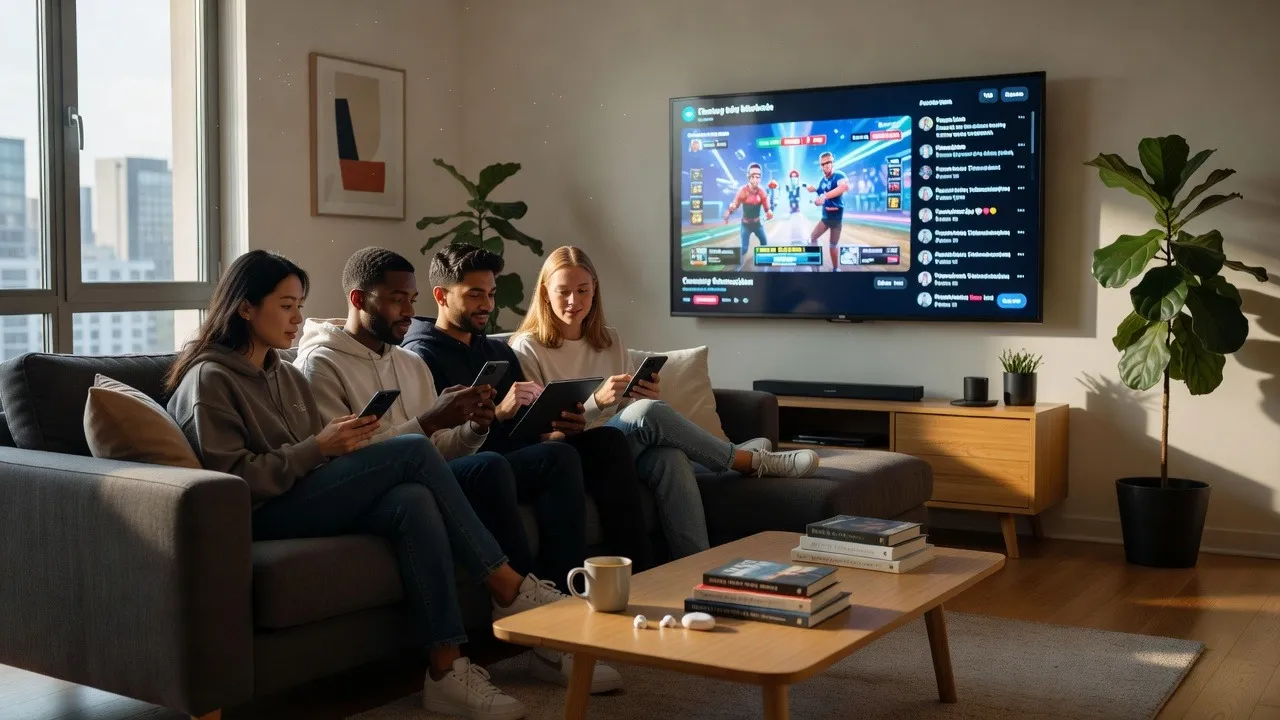
The Evolution of Online Entertainment: From Streaming to Interactivity
If we look back at the 2010s, the online entertainment landscape looked very different. Video streaming services such as Netflix, Amazon Prime, and local alternatives were setting the tone for the industry. Users would turn on an episode, movie, or broadcast and remain viewers in the traditional sense of the word. However, the development of mobile devices and the internet changed this approach: game streaming services, digital shows with interactive elements, and even special projects where viewers could influence the storyline began to emerge. Gaming services and augmented reality (AR) and virtual reality (VR) applications introduced completely new emotions and experiences to familiar formats. Between 2020 and 2026, interactivity became one of the main drivers of the industry: live communication is being integrated into gaming worlds, online shows are being created where users become full participants rather than passive observers.
Key User Expectations from Digital Platforms in 2026
Audiences now expect internet services to provide not only high-quality content but also maximum convenience in interaction. In 2026, personalization is among the key expectations. A service should "understand" the user's interests, recommend suitable content, anticipate relevant topics and events, and adapt to individual behavioral patterns. Instant page loading and stable performance without delays have also become essential standards. Cross-platform functionality has gained significant importance, allowing users to start a game or watch content on a smartphone and continue on a laptop, tablet, or Smart TV. Users also expect a wide range of formats, from traditional videos and long-form articles to live broadcasts, AR/VR games, and multimedia projects. Individualized experiences and freedom to choose between genres, as shown by surveys conducted by major services, are already forcing companies to find new ways to retain audience attention.
Social and Gaming Elements: Engagement and Communities
What truly changes the role of an internet service today is its social mechanics. Whether it is a gaming league, chat room, or weekly challenge, the feeling of belonging to a community, the opportunity to compete or the ability to create shared stories has become a powerful motivator for millions of users.
Many services implement digital halls of fame, leaderboards and collective events, including daily tournaments, cooperative quests, and in-game competitions featuring gifts or trophies. The habit of discussing results in chats and sharing victories and achievements through personal profiles has transformed services into spaces for communication rather than simply content consumption. Hybrid formats are also becoming increasingly common, including moderated gaming chats, voice rooms for discussing events and social media integration for instant sharing.
Security, Fairness, and Trust in the Digital Environment
Users are placing increasingly high demands on the protection of personal data and the transparency of online services. In 2026, two-factor authentication, traffic encryption, and regular independent audits of gaming processes are becoming standard security measures.
Legal and transparent practices have also gained importance, including detailed licensing information, publicly available responsible gaming guidelines, and clear payout and refund policies. Trust has become one of the decisive factors when choosing an internet service, particularly in the interactive entertainment and online gaming sectors.
Fair tournament procedures, the absence of hidden fees, and transparent privacy ratings all contribute to audience loyalty and positive reviews.
The Future of Online Entertainment: New Trends and Challenges
The future will bring even more personalized content, engaging hybrid formats combining video, gaming, and AR elements, as well as social mini-games designed for group participation. Analyst forecasts are supported by current developments: audiences are shifting further toward mobile consumption, new devices such as VR headsets are entering households and AI-powered mechanics are enabling personalized scenarios for individual users.
At the same time, market growth brings new challenges, including personal data protection, combating fraud, and finding a balance between creative freedom and responsibility for published content. Audience expectations will also continue to evolve. Users will expect services to offer not only entertainment but also inclusivity, social participation and accessible experiences.
Keeping up with emerging trends is therefore becoming an essential task for any digital platform focused on long-term development.
© qolumnist
 visit website